Process
🧵 1. Draft Manufacturing Based On PO
The manufacturing process begins after receiving the Purchase Order (PO) from the buyer. The order is reviewed carefully, including product specifications, quantity, size breakdown, fabric details, accessories, delivery timeline, and quality requirements. A preliminary production plan is then prepared to ensure all requirements are met.
🎨 2. Production Planning & Meeting
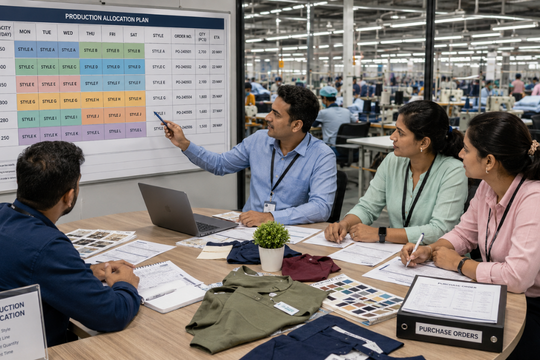
A production planning meeting is conducted with all relevant departments, including merchandising, production, quality control, cutting, sewing, and finishing. The team discusses production schedules, resource allocation, material availability, and delivery deadlines to ensure smooth workflow and timely execution.

✂️ 3. Production Allocation
Based on the production plan, work is allocated to different production lines or units. Machines, operators, supervisors, and required resources are assigned according to production capacity and product complexity. This helps optimize efficiency and maintain production targets.
🧷 4. Marking & Cutting
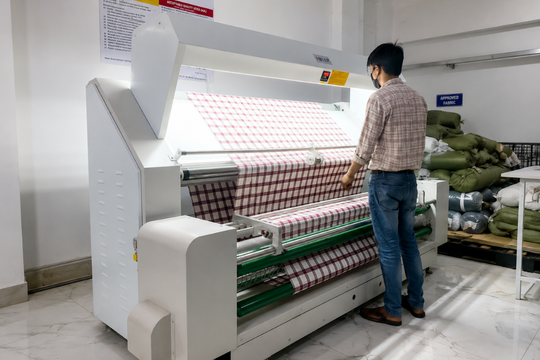
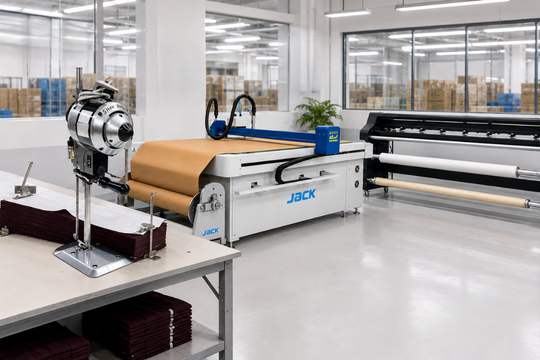
Approved markers are prepared to maximize fabric utilization and minimize wastage. Fabrics are spread according to standards, followed by precise cutting using approved patterns. Cut panels are then bundled and labeled for the next production stage.
🔍 5. Sewing & Assembling
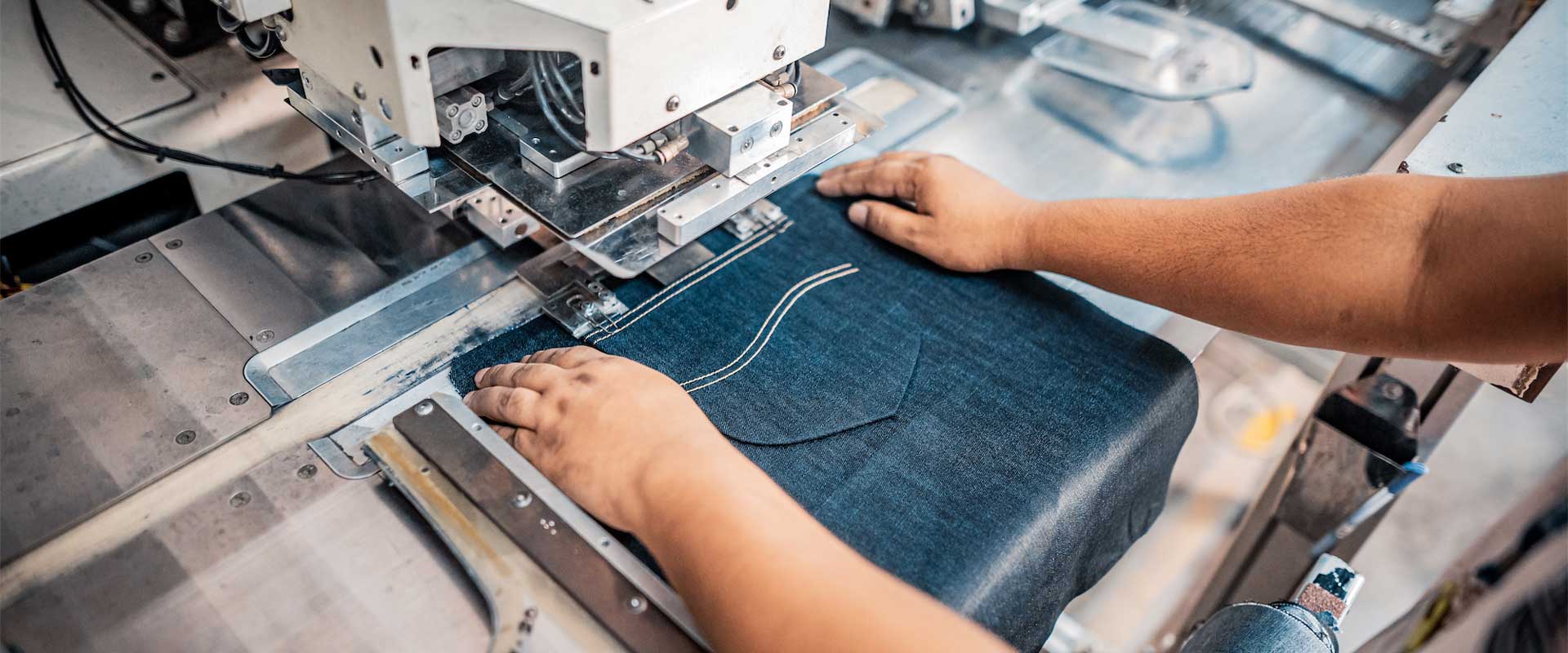
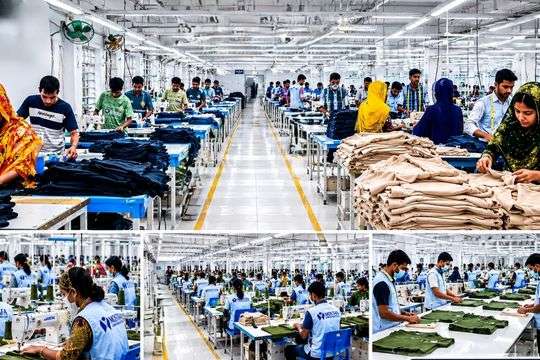
The cut fabric pieces are stitched and assembled according to approved technical specifications and construction methods. In-line quality inspections are carried out throughout the sewing process to identify and correct defects at an early stage, ensuring consistent product quality.
🧼 6. Printing, Embroidery & Washing (If Need)
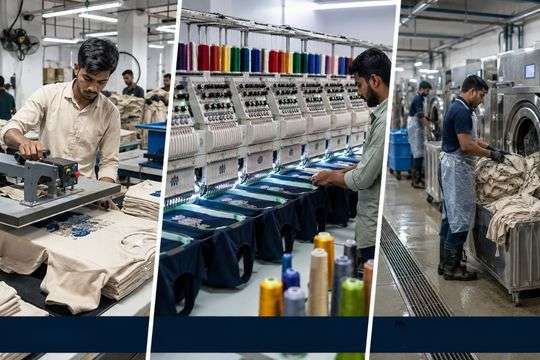
If specified by the buyer, garments undergo printing, embroidery, or special washing processes. Each process follows approved artwork, color standards, and washing recipes to achieve the desired appearance and quality while maintaining garment durability.
📦 7. Packing & Shipment
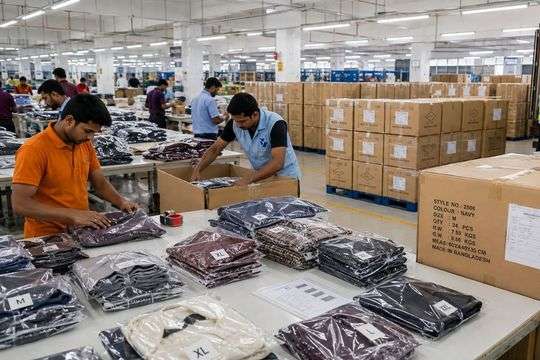
Finished garments are thoroughly ironed or steamed to remove wrinkles and enhance presentation. Each garment is then folded, tagged, poly-bagged, labeled, and packed into export cartons according to the buyer's packing instructions and shipping requirements. Final quality inspection is conducted to verify workmanship, measurements, appearance, labeling, and packaging based on buyer standards or AQL requirements. After successful approval, the finished goods are prepared with all necessary shipping documents and dispatched for on-time delivery to the customer.